

Spinal Decompression in Boise & Eagle
Understanding the Spine and How Decompression Works
- Point 1: There are 23 shock absorbing discs that are interwoven into the vertebrae (spinal bones) above and below. The discs are amazing structures and can handle hundreds of pounds of pressure without collapsing. The central core of the disc is made of pulpy gelatinous material (Nucleus Pulposus). It is surrounded by hundreds of tough fibrous layers (Annulus Fibrosus) that keep the soft Nucleus material in the center. The Nucleus acts as a spring and separates the vertebrae and also functions as a ball bearing. Because of its central location, the Nucleus allows the vertebrae above and below it to rotate, tilt and flex in any direction.
- Point 2: The discs are integral components of the spinal curves. These curves are seen from the side of the body. The lumbar spine (red curve line) arches forward and the thickness of the discs are greater in the front. The joints in the spine are in the rear of the vertebral units and are called articular facets, as seen in the illustration above. When you bend forward, the discs are compressed by the vertebrae above and below (like scissor action). The discs are extremely flexible and elastic and can handle the body’s own weight, and then some. The fibers in the Annulus layers can be compressed, stretched and twisted millions of times over, in one lifetime.
- Point 3: As we age, the circulation to the discs becomes less and the fibrous and nucleus material begin to dry out (desiccation). The Annulus fibers become more brittle as a result and become less elastic. Time, usage and desiccation (compression, stretching, twisting and drying) tear the micro-Annulus fibers. The tearing of the fibers allow the soft gelatinous nucleus material to break through the many Annulus layers and the results are devastating to the function of the spine. Because the Nucleus is no longer gathered in the center, the height of the disk flattens and the function of the joint becomes abnormal and inflexible
Usually, when the disc is compressed, the Nucleus is forced back and to one side, usually invading the space occupied by the spinal cord and spinal nerves. This is called a ‘bulging disc’. If the Nucleus material reaches the outside layers of the disc and leaks outside the spinal column, it is called a ‘disc herniation’ and is like a flat tire. As a result, the nerves and spinal cord are trapped (pinched). This trapping causes partial or total malfunction of nerve impulses going in and out of the spinal cord. Muscles, organs and the brain receive altered messages. Sometimes, this can cause disabling pain, numbness and weakness in various parts of the body.
NEW PATIENTS
Disc Decompression Traction Procedures
This therapy offers relief at an astounding 86% to 94% success rate for the following conditions:
- Herniated, slipped and buldging discs with or without complications
- Degenerative disc disease
- A relapse or failure following surgery even with multiple levels of herniation
- Facet syndromes
- Spinal Stenosis
- Sciatica
Lumbar and Cervical specific mechanical traction procedures effectively treats these conditions to help patients live a pain-free life and return to more active lifestyles. It relieves lower back pain by enlarging disc space and creating a negative pressure or vacuum, drawing the soft gelatenous material to the center and reducing the disc herniation, strengthening outer ligaments and reversing high intradiscal pressure. Twelve to twenty 15-30 minute treatment sessions over 4-6 weeks are usually required.
The clinical outcomes of this study showed that 86% of the 219 patients who completed the therapy reported immediate resolution of symptoms, while 84% remained pain-free 90 days post-treatment. Physical examination findings showed improvement in 92% of the 219 patients, and remained intact in 89% of these patients 90 days after treatment. This Disc Decompression Traction Procedures study shows that disc disease-the most common cause of back pain, which costs the American health care system more than $50 billion annually-can be cost-effectively treated using Disc Decompression Traction Procedures.
FAQs
What can this vacuum effect do?
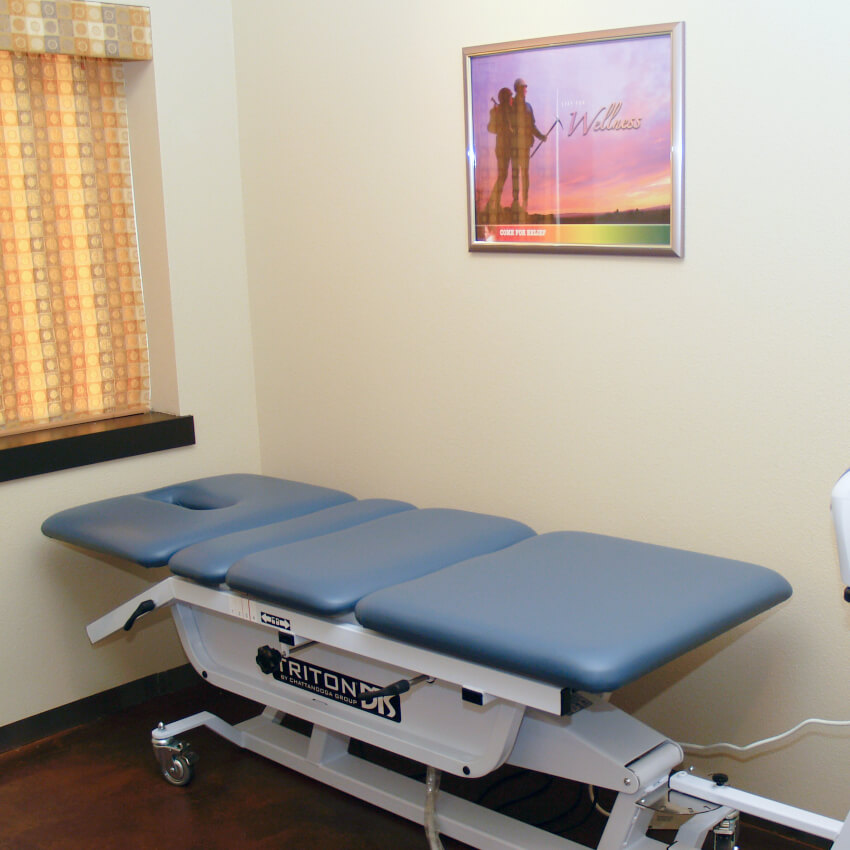
What machine is used for this purpose?
How often do I take treatment sessions? How long does each session last?
Are there conditions where this therapy is not indicated?
I have had spinal surgery, but continue to have pain. Can I try this Therapy?
Get Started Today
The cost for successful non-surgical Disc Decompression Traction Procedures therapy is less than a tenth of that for surgery. These results show that biotechnological advances of Disc Decompression Traction Procedures reveal promising results for the future of effective management of patients with disc herniation and degenerative disc diseases.
CONTACT US
